Last updated: November 8, 2026
Maybe you’ve felt a pull toward helping people in a way that goes beyond advice or sympathy. Or maybe someone told you that you have “healer energy,” and that phrase has been sitting in the back of your mind ever since. Either way, you want a real answer, not a vague one.
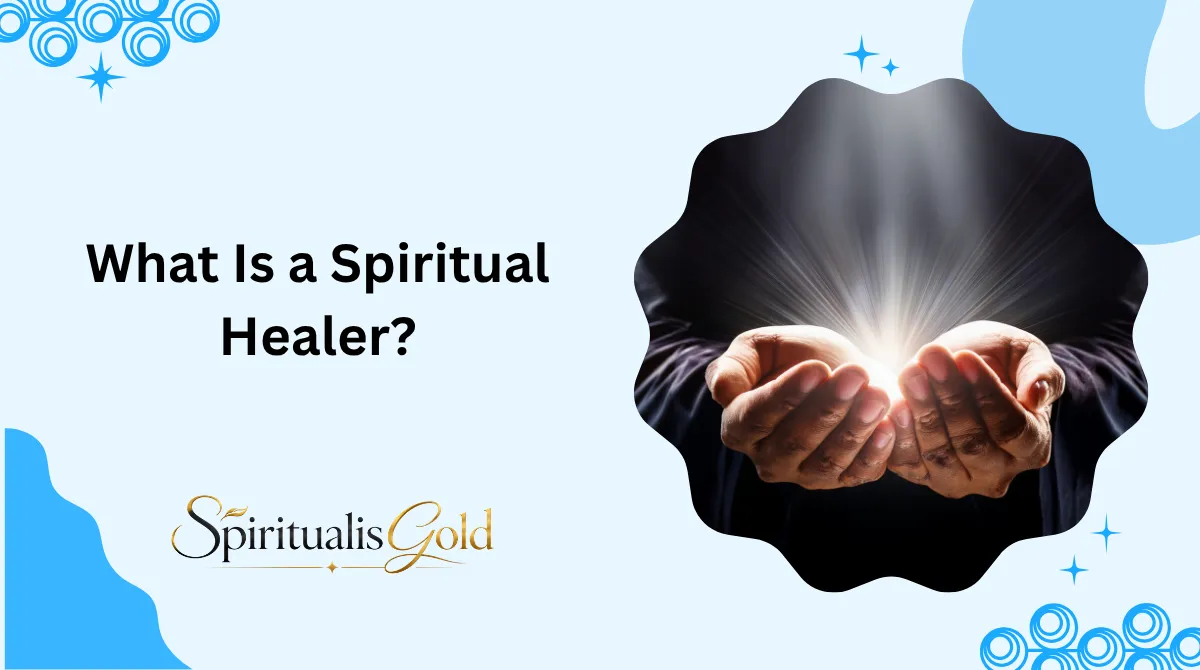
Here’s the direct answer. A spiritual healer is someone who works with energy, intuition, prayer, or ritual to support a person’s emotional, mental, or spiritual well-being, rather than treating the body directly the way a doctor or therapist does. Spiritual healers believe that stress, illness, and stuck patterns often come from an imbalance in a person’s energy or spirit, and that this imbalance can shift through touch, intention, prayer, or focused attention.
This isn’t a licensed medical practice, and no honest healer claims it replaces one. What it offers instead is a different kind of support, aimed at parts of a person that a prescription can’t always reach. Below, we’ll cover the main types of spiritual healers, a bit of history behind the practice, what a session usually looks like, the signs you might have this gift yourself, and how to tell a grounded practitioner from someone who isn’t.
The Quick Definition: What “Spiritual Healer” Really Means
A spiritual healer is a person who believes wellness comes from more than the physical body alone. They work from the idea that mind, spirit, and body connect, and that shifting one part can affect the others.
Most spiritual healers describe their work through one of these core ideas:
- Energy flow. Life force energy, sometimes called chi, prana, or universal energy, moves through the body and can become blocked or depleted.
- Prayer or divine connection. Healing comes through faith and asking a higher power for help.
- Intuitive insight. A healer can sense what feels out of balance in someone’s life, even without being told directly.
None of this replaces medical care, and a responsible healer will say so themselves, often in the very first conversation.
A Short History of Spiritual Healing Across Cultures
Spiritual healing isn’t a modern trend. People have practiced some form of it for thousands of years, long before hospitals existed.
In ancient Egypt and Greece, temple priests combined prayer, herbs, and ritual cleansing to treat the sick. Many indigenous cultures across the Americas, Siberia, and parts of Asia developed shamanic traditions, where a healer works between the physical world and a spirit world to restore someone’s energy or soul. Christian traditions have practiced laying on of hands and prayer for healing since the early church, a practice many congregations still carry on today.
Reiki, one of the most recognized energy-healing systems today, has a much more recent and specific origin. Mikao Usui developed it in Japan in the early 1920s, and it spread to the West through his students over the following decades.
What ties all of these traditions together is a shared belief: something beyond the purely physical plays a role in a person’s health and well-being.
The Main Types of Spiritual Healers
“Spiritual healer” works as an umbrella term. Here are the practices that fall under it most often.
Energy Healers (Reiki and Similar Practices)
Energy healers, including Reiki practitioners, place their hands near or lightly on a person’s body to direct energy toward areas they sense are blocked or low. Sessions tend to feel quiet and still, closer to a guided rest than anything active.
Faith Healers
Faith healers work through prayer, usually within a specific religious tradition. They may lay hands on a person, pray over them aloud, or ask a group to pray together, believing healing comes directly from a divine source.
Shamanic Healers
Shamanic healing draws on indigenous traditions. A shamanic healer often works with ritual, drumming, or a trance state, believing they can retrieve guidance or restore a person’s spirit by traveling into a non-physical realm.
Intuitive and Psychic Healers
These healers read a person’s energy, emotions, or life situation through intuition rather than one fixed technique. Sessions often feel more like a conversation, with the healer sharing impressions as they arise.
Crystal Healers
Crystal healers place stones believed to carry specific energetic properties on or near the body. A rose quartz might go near the heart for emotional support, while a clear quartz might rest near the head for mental clarity.
Sound Healers
Sound healers use tones, singing bowls, or chanting, believing certain frequencies help the body and nervous system settle. Many people describe sound healing as the fastest way to feel physically relaxed, even before they understand why.
The Role of Chakras and Energy Centers
A lot of spiritual healing, especially energy work, rests on the idea of chakras: seven main energy centers running from the base of the spine to the top of the head. Each one connects to a different part of life, from survival and safety at the base, up through emotion, personal power, love, communication, intuition, and finally spiritual connection at the crown.
Many healers describe their work as finding which chakra feels blocked and directing attention there. Someone struggling to speak up, for example, might get extra focus on the throat chakra. Someone dealing with trust issues might get more attention around the heart.
This framework comes from older Indian spiritual traditions and has been simplified a lot for Western wellness use. Not every healer uses chakra language, but it shows up often enough that it’s worth knowing the basic map.
What Happens During a Spiritual Healing Session

Sessions vary by practitioner, but most follow a similar shape.
- A short conversation first. The healer asks what’s going on, physically or emotionally, before starting anything.
- Settling in. You usually sit or lie down, fully clothed, while the healer centers their own focus.
- The healing work itself. This might involve light touch, hands held a few inches above the body, prayer spoken aloud, or quiet focus with almost no talking.
- A debrief. Many healers share what they noticed and offer a suggestion or two for what to do between sessions.
A Reiki session tends to feel the quietest, often ending in a short nap for some clients. A faith-healing session may involve more spoken prayer and feel more communal if others are present. A sound-healing session usually ends with the body feeling heavier and more relaxed than when it started.
Most sessions run 30 to 90 minutes. People commonly describe the experience as calming rather than dramatic.
Signs You Might Have a Gift for Spiritual Healing
A lot of readers land on this topic because they suspect this ability in themselves, not because they’re searching for a practitioner. If that sounds like you, a few patterns tend to show up again and again.
- People open up to you fast, sharing things they wouldn’t tell anyone else, even near-strangers.
- You absorb other people’s moods easily, sometimes feeling drained after being around someone upset, even without knowing why.
- You’ve had moments of “just knowing” something about a person’s situation before they said a word.
- Helping someone through something hard energizes you, rather than draining you out of obligation.
- Touch feels meaningful to you. Holding someone’s hand or placing a hand on their shoulder during a hard moment feels like it does something real, not just a gesture.
None of these prove anything on their own. Together, and over time, they’re worth paying attention to if this kind of work keeps pulling at you.
Spiritual Healing vs. Medical Treatment: An Honest Comparison
This part deserves honesty. Spiritual healing is a matter of belief and tradition, not a clinically proven treatment for disease. No peer-reviewed research supports spiritual healing as a cure for cancer, infection, a broken bone, or any diagnosed medical condition.
What spiritual healing can offer, based on what many people report, is support for stress, grief, anxiety, and a general sense of feeling unmoored. Feeling calmer, more supported, and less alone matters, even when it isn’t a medical treatment in the clinical sense.
See a doctor first for any real physical symptom. A grounded spiritual healer will tell you the exact same thing. Anyone who pushes you to skip medical care in favor of energy work alone is a warning sign, not a sign of deeper wisdom.
How to Choose a Spiritual Healer (and Red Flags to Avoid)
If you’re looking for a practitioner rather than exploring your own gifts, a few things separate a trustworthy healer from someone worth avoiding.
Good signs:
- They ask about your medical history and encourage ongoing care from your doctor
- They’re upfront about what their method can and can’t do
- They don’t pressure you into buying extra sessions or products
- Other clients can describe a calm, respectful experience
Red flags:
- They claim to cure a diagnosed illness
- They ask you to stop taking medication
- They demand large sums of money to “remove a curse” or something similar
- They create fear or urgency to keep you coming back
Trust your gut here. A good session should leave you feeling calmer and more grounded, not more afraid or more dependent on one person.
Can Anyone Become a Spiritual Healer?
Most traditions say yes, with practice. Reiki, for example, teaches through structured levels, often called attunements, that most people can complete over time rather than needing a rare, inborn gift. Shamanic traditions often describe the path differently, as something passed down through lineage or discovered through a major life event, like an illness or loss that reshapes how someone sees the world.
If this work keeps pulling at you, a few starting points tend to help:
- Sit with stillness first. Daily meditation or quiet reflection builds the sensitivity this work relies on.
- Learn from someone directly, rather than only from books or videos. Energy work usually passes along hands-on.
- Practice on willing friends or family before working with strangers, so you build confidence and get honest feedback.
- Stay humble about what you don’t know. The most trusted healers tend to be the ones upfront about the limits of their own work.
What Does It Mean to Be a Healer Spiritually?
Being a spiritual healer means having a natural desire to support others through emotional struggles, personal challenges, and difficult moments in life. A spiritual healer is often someone who brings comfort, encouragement, understanding, and hope to people who feel lost, overwhelmed, or disconnected from themselves. Rather than focusing only on physical problems, spiritual healing is generally associated with emotional well-being, inner peace, personal growth, and a deeper sense of purpose.
In many spiritual traditions, healers are believed to have a special sensitivity to the emotions and energy of people around them. They may notice when someone is struggling, even when that person does not openly discuss their feelings. Their ability to listen without judgment and offer genuine compassion can make others feel safe and understood.
However, being a spiritual healer does not necessarily mean having supernatural powers or the ability to cure illnesses. Sometimes, healing begins with simple human actions, such as listening carefully, offering encouraging words, showing kindness, and helping someone rediscover hope.
A spiritual healer may express this quality through prayer, meditation, spiritual guidance, energy-based practices, or compassionate relationships. At its heart, spiritual healing is about helping people feel supported while respecting their freedom to make their own choices.
Signs You Are a Spiritual Healer

Some people naturally feel drawn toward helping others find emotional balance and inner peace. They may not identify themselves as healers, but their behavior, sensitivity, and compassion often reflect qualities associated with spiritual healing. These signs are not proof of supernatural abilities; they can simply indicate a strong desire to support other people.
You naturally attract people who need support. Friends, relatives, and even strangers may feel comfortable sharing their personal struggles with you. They often approach you because you listen patiently and make them feel accepted.
You feel deeply connected to other people’s emotions. When someone around you is sad, anxious, or discouraged, you may notice their feelings quickly. This emotional awareness can help you respond with understanding.
You have a strong desire to help others. Seeing someone suffer may create a genuine desire within you to make their situation better. You find satisfaction in offering encouragement and practical support.
People feel peaceful around you. Your calm personality and reassuring presence may help others relax during stressful situations. Sometimes, simply spending time with a caring person can make a difficult day feel easier.
You are a natural listener. Instead of immediately judging or giving advice, you allow people to express themselves. And you understand that sometimes people need to be heard before they can consider solutions.
You value forgiveness and emotional growth. You believe that people can learn from their mistakes and move forward. Rather than encouraging resentment, you help others consider healthier ways of dealing with painful experiences.
You feel drawn toward spiritual practices. Prayer, meditation, reflection, and reading spiritual teachings may help you understand yourself and develop a stronger sense of purpose.
You often encourage people to believe in themselves. Your words remind others of their strengths and possibilities, especially when they have lost confidence.
You are sensitive to negative environments. Arguments, tension, and constant conflict may affect your mood. You appreciate peaceful surroundings and healthy relationships.
You understand the importance of boundaries. Although you want to help everyone, you recognize that caring for others should not require sacrificing your own emotional well-being.
How to Know If You Are a Spiritual Healer
Recognizing spiritual healing qualities begins with understanding your natural behavior, motivations, and relationships. You do not need a special title, spiritual experience, or extraordinary ability to recognize that helping others is an important part of your personality.
Pay attention to how people respond when they spend time with you. Do they feel comfortable discussing difficult experiences? Do they appreciate your advice because you offer it without making them feel inferior? These responses may suggest that you have developed strong listening and emotional-support skills.
Another way to understand this quality is to examine your intentions. A genuine desire to help comes from compassion rather than the need to control someone else’s decisions or receive constant appreciation. You want people to become stronger and more confident, even when their journey does not involve you.
You can also reflect on whether helping others gives your life a sense of meaning. Perhaps you enjoy volunteering, supporting friends, encouraging family members, or participating in activities that promote emotional and spiritual well-being.
It is equally important to recognize the difference between empathy and taking responsibility for everyone’s problems. Feeling another person’s pain does not mean you must carry it. Healthy spiritual support involves respecting boundaries, understanding limitations, and recognizing when professional help is needed.
Ultimately, you may have qualities associated with a spiritual healer if compassion, patience, emotional awareness, and a sincere desire to support others are consistent parts of your life.
What Is a Spiritual Healer Called?
A spiritual healer can be known by several different names depending on their beliefs, cultural background, and healing practices. There is no single universal title because different spiritual traditions understand healing in different ways.
Some common terms include energy healer, faith healer, spiritual guide, Reiki practitioner, intuitive healer, and holistic healer. Each term describes a different approach to supporting people’s spiritual or emotional well-being.
An energy healer generally works with practices based on the belief that the body has an energy system that can be balanced. A Reiki practitioner uses a Japanese spiritual healing practice involving gentle touch or hands held near the body. A faith healer may focus on prayer, religious belief, and trust in divine power.
A spiritual guide is somewhat different because their primary role is to help people explore their beliefs, personal values, and spiritual development. They may offer guidance through conversations, reflection, meditation, or religious teachings.
Some communities also use traditional titles for healers, reflecting their cultural and historical practices. These titles should be understood within their specific traditions rather than treated as interchangeable professions.
The most important distinction is that these names describe different approaches, not guaranteed healing abilities. Anyone offering spiritual support should be honest about their training, experience, and limitations.
Different Types of Spiritual Healers

Spiritual healing is understood differently across cultures and religious traditions. Some approaches focus on prayer and faith, while others emphasize meditation, energy practices, or emotional guidance. Understanding these differences can help explain the various ways people explore spiritual well-being.
Faith healers: These individuals emphasize prayer, religious teachings, and trust in God or a higher power. Their approach is rooted in faith and spiritual devotion.
Energy healers: They work with practices based on the belief that energy influences a person’s overall sense of balance. Their methods may include hands-on or hands-off techniques.
Reiki practitioners: Reiki practitioners follow a Japanese practice that involves gentle touch or placing hands near the body with the intention of supporting relaxation and well-being.
Intuitive healers: They emphasize intuition, reflection, and personal awareness when supporting people through emotional or spiritual difficulties.
Spiritual counselors: These individuals help people explore personal struggles, beliefs, values, and spiritual questions. Their work may involve conversations, reflection, and encouragement.
Holistic healers: They consider different aspects of well-being, including emotional, mental, physical, and spiritual needs. Their approach often encourages balance and healthy lifestyle choices.
Traditional spiritual healers: These practitioners follow healing customs passed down through particular communities and cultural traditions. Their practices can include prayer, rituals, storytelling, and traditional ceremonies.
Although these approaches differ, responsible spiritual support should encourage personal independence and should never replace necessary medical or mental health treatment.
What Is a Healer Personality?
A healer personality generally describes someone who is naturally compassionate, understanding, patient, and supportive. Such individuals often feel fulfilled when they can make a positive difference in someone else’s life. They may be the person friends turn to when they need advice, comfort, or someone who will listen without criticism.
One important characteristic is emotional sensitivity. People with this personality may recognize changes in someone’s mood through facial expressions, tone of voice, or behavior. They often notice when something is wrong, even if nobody directly explains the situation.
Another defining quality is patience. A healer personality understands that personal growth takes time. Instead of expecting people to change immediately, they encourage gradual improvement and allow others the freedom to learn from their experiences.
Compassion is equally important. These individuals may find it difficult to ignore someone who is suffering and often try to offer practical help. They value honesty, forgiveness, kindness, and meaningful relationships.
However, having a healer personality can sometimes create challenges. People who constantly prioritize others may become emotionally exhausted or struggle to say no. Learning to establish boundaries is therefore essential.
A healthy healer personality understands that supporting others does not mean fixing every problem. True compassion includes respecting personal choices, protecting your own well-being, and recognizing when someone needs professional assistance.
What Does a Spiritual Healer Do?
A spiritual healer generally supports people who want to explore inner peace, emotional balance, and spiritual growth. Their responsibilities depend on their training and chosen practices, but the central purpose is usually to encourage people during challenging periods of life.
Some spiritual healers use prayer or meditation to help individuals develop a deeper connection with their faith. Others offer supportive conversations that allow people to reflect on their feelings, personal experiences, and beliefs.
Energy-based practitioners may use techniques such as Reiki or other traditional practices intended to encourage relaxation. These approaches should not be presented as scientifically established treatments for physical or psychological illnesses.
Spiritual healers may also encourage healthy habits, including self-reflection, gratitude, forgiveness, and mindfulness. These practices can help people become more aware of their emotions and develop healthier ways of responding to everyday difficulties.
A responsible healer does not promise miraculous results, discourage medical treatment, or make someone dependent on their guidance. Instead, they respect individual decisions and recognize that different people need different forms of support.
Ultimately, the role of a spiritual healer is not to control another person’s journey but to offer encouragement, understanding, and a supportive environment in which personal growth can take place.
What to Do If You Believe You Are a Healer
If you recognize strong healing qualities within yourself, begin by understanding them rather than rushing to adopt a spiritual title. Your compassion, emotional awareness, and desire to support others can become meaningful strengths when developed with patience and responsibility.
Start by learning more about yourself. Notice which situations make you feel fulfilled, how you respond to other people’s emotions, and whether you sometimes become overwhelmed by trying to help everyone. Self-awareness will help you understand your abilities and limitations.
Develop healthy spiritual practices that match your personal beliefs. Prayer, meditation, reading meaningful books, journaling, and spending quiet time in nature can help you build emotional balance and clarity.
You should also learn how to listen effectively. Allow people to share their experiences without immediately offering solutions. Respect their decisions and remember that encouragement is often more helpful than trying to control the outcome.
If you want to explore a particular healing practice professionally, research its history, training requirements, ethical responsibilities, and limitations. Seek reputable education rather than relying on claims of extraordinary powers.
Most importantly, take care of yourself. Establish boundaries, make time for rest, and do not accept responsibility for problems beyond your control. You cannot support others effectively if you continually ignore your own needs.
Being a healer does not mean being perfect or having answers to every question. Sometimes, the most meaningful form of healing begins with kindness, a listening ear, and the willingness to help another person feel less alone.
People Also Search
10 signs you are a spiritual healer
what does it mean to be a healer spiritually
how to know if you are a spiritual healer
what is a spiritual healer called
what is a healer personality
types of spiritual healers
what to do if you are a healer
what does a healer do
Frequently Asked Questions
What Are 7 Signs That Someone Is a Healer?
Someone with a natural healing gift often shows deep empathy, patience, and a genuine desire to help others. Seven common signs include emotional sensitivity, compassionate listening, calming energy, strong intuition, understanding others’ pain, offering comfort, and inspiring people to grow.
How Does a Spiritual Healer Work?
A spiritual healer works by helping people explore emotional, spiritual, and inner well-being through practices such as prayer, meditation, energy work, and mindful reflection. Their approach focuses on encouraging peace, self-awareness, and a deeper connection with oneself.
What Are 7 Signs That You Are Spiritually Connected to Someone?
A deep spiritual connection may reveal itself through an unusual sense of understanding and emotional closeness. Seven possible signs include thinking about each other frequently, feeling emotionally understood, sharing meaningful coincidences, sensing mutual comfort, experiencing similar feelings, respecting each other’s growth, and feeling connected beyond ordinary conversations.
How Do You Know You Are a Spiritual Healer?
You may have healing qualities if people naturally feel comfortable opening up to you and often seek your advice during difficult moments. A strong sense of compassion, emotional awareness, patience, and a desire to encourage others can also suggest that helping and supporting people is an important part of your nature.
What Birthdays Are Healers?
There is no scientifically established birthday that makes someone a spiritual healer. However, some numerology and spiritual traditions associate birth dates such as the 2nd, 7th, 9th, 11th, 20th, and 29th with sensitivity, compassion, intuition, and service to others.
How Do I Know I’m a Healer?
You might recognize healing qualities in yourself through your ability to listen without judgment, offer sincere comfort, and understand emotions that others struggle to express. Being a healer is not necessarily about supernatural abilities; it can also mean using kindness, wisdom, and compassion to make a positive difference in someone’s life.
Final Thought
Healing, in the fullest sense of that word, rarely comes from one single source. Whether you’re curious about becoming a spiritual healer yourself or you’re looking for support from one, the goal stays the same: feeling more whole, not more dependent on any one person or method. Start small, stay honest about what this work can and can’t do, and let the rest settle at its own pace.

Riaz Ahmad is the author of SpiritualisGold.com, sharing meaningful spiritual lines, deep words, life lessons, and inspirational thoughts. With 6+ years of experience creating spiritual and reflective content, he aims to help readers find inner peace, wisdom, hope, and a deeper connection with life.