Last updated: October 7, 2026
Maybe you grew up praying and lost the habit. Maybe you never learned how, and the idea of talking to God out loud feels awkward, even a little embarrassing. Either way, you’re here because something in you wants to try, and you’re not sure where to start.
Here’s the direct answer: praying to God doesn’t require special words, a certain posture, or a church to do it in. At its core, prayer is honest communication, you speaking to God the way you’d speak to someone you trust, whether that’s out loud, in your head, or written down. The “right” way to pray is the way that actually gets you talking.
That said, having some structure helps, especially at the start. Below, I’ll walk through simple ways to begin, what to actually say when you don’t know what to say, different postures and settings people use, and what to do when prayer feels like it’s going nowhere.
The Quick Answer: What Praying to God Actually Requires
Strip away the traditions and rituals, and prayer comes down to three things:
- Attention. You pause and turn your focus toward God, even for thirty seconds.
- Honesty. You say what’s actually true for you, not what you think sounds good.
- Willingness to listen. Prayer isn’t only talking. It leaves room for quiet, too.
That’s the whole foundation. Everything else, the words, the posture, the time of day, is personal preference built on top of that core. If you only remember one thing from this article, remember this: you can start praying right now, in whatever position you’re in, with whatever words come out.
You Don’t Need Perfect Words to Start
A lot of people put off praying because they’re waiting to feel “ready,” as if there’s a correct script they haven’t learned yet. There isn’t one.
Think about how you talk to a close friend or a parent you trust. You don’t rehearse those conversations. You just say what’s on your mind. Prayer works the same way. God already knows what you’re thinking, so the pressure to phrase things perfectly isn’t actually necessary.
If it helps, picture prayer less like a formal speech and more like checking in with someone who already cares about the outcome. You’re not performing. You’re just showing up.
Step-by-Step: How to Pray When You’re Not Sure Where to Begin
If you want something concrete to follow the first few times, try this simple sequence. It’s not the only way to pray, but it gives nervous beginners a place to land.
- Find a quiet moment. It doesn’t need to be long. Even two minutes before bed or during a commute works.
- Acknowledge who you’re talking to. Something as simple as “God” or “Heavenly Father” is enough to begin.
- Say what’s true. Gratitude, a worry, a question, a request. Whatever is actually on your mind.
- Ask for what you need. Guidance, patience, strength, comfort. There’s no need to over-explain.
- Sit in silence for a moment. You don’t have to fill every second with words. Give yourself space to just be present.
- Close in your own way. Many people end with “Amen,” which simply means “so be it” or “I mean this.”
You can run through this in under five minutes. The goal isn’t length. It’s honesty.
What to Actually Say: Simple Prayer Structures That Work
If silence feels intimidating and you want a few starting lines, these simple structures tend to work well for beginners because they give your thoughts a shape without boxing them in.
The gratitude-first prayer
Start by naming one thing you’re thankful for, even something small. Then move into whatever else is on your mind. Starting with gratitude tends to calm a racing mind before you get into harder topics.
The honest-struggle prayer
Say plainly what you’re dealing with. “God, I’m overwhelmed. I don’t know how to handle this.” You don’t need to soften it or make it sound more spiritual than it is.
The request prayer
Ask directly for what you need: guidance on a decision, patience with a person, strength to get through a hard week. Specific requests often feel more real than vague ones.
The listening prayer
Spend most of the time in silence instead of talking. Open with a short line like “God, I’m here. I’m listening,” then simply sit. This style suits people who feel like they talk at God more than with God.
None of these are rules. Mix them, shorten them, or ignore the structure entirely once you find your own rhythm.
Praying Without a Script: Talking to God Like You Mean It
Once the basic structure feels familiar, a lot of people drop it entirely and just talk. This is where prayer starts to feel less like an exercise and more like a real relationship.
A few things that help with this shift:
- Talk the way you actually talk. You don’t need formal language. “I’m scared about tomorrow” works better than a stiff sentence that doesn’t sound like you.
- Bring the small stuff, not just the big stuff. Prayer doesn’t need to be reserved for emergencies. Mentioning a good lunch or a frustrating commute keeps the habit alive day to day.
- Let it be short sometimes. Not every prayer needs to be a full conversation. “Thank you” said quietly in the middle of your day still counts.
- Don’t worry about repeating yourself. If the same worry keeps showing up, bring it back to God again. Consistency matters more than variety.
The more often you talk this way, the less prayer feels like a task on a list and the more it feels like part of how you move through your day.
Common Prayer Postures and Settings Across Traditions
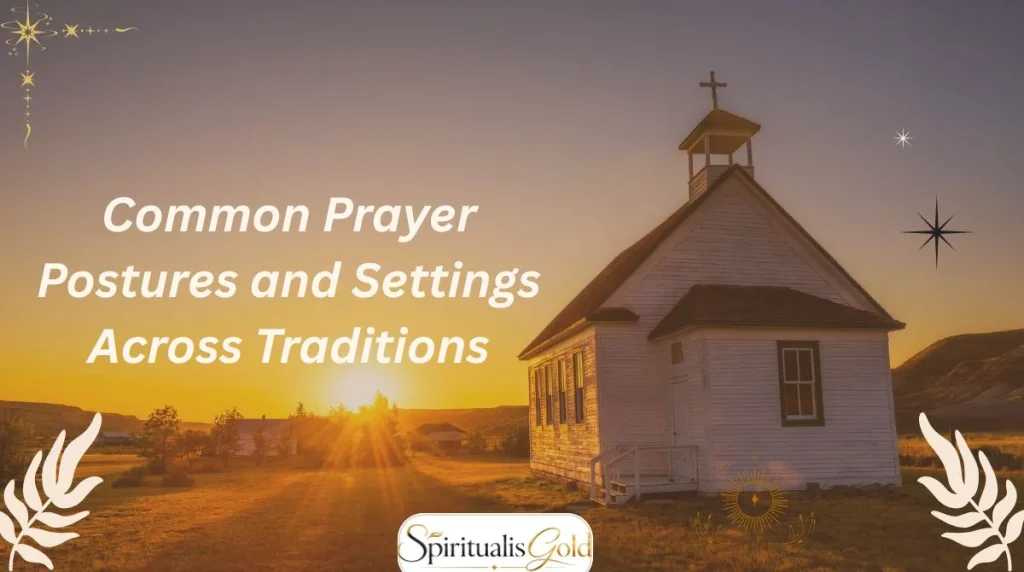
There’s no single required posture for prayer, but different traditions have developed physical practices that help people focus. A few common ones:
- Kneeling, often used as a sign of humility or reverence.
- Sitting quietly with eyes closed, common in reflective or contemplative prayer.
- Standing with hands raised or open, sometimes used during more expressive worship.
- Lying down at night, simple and common for personal, end-of-day prayer.
- Walking while praying, which some people find easier than sitting still, especially when working through something stressful.
The posture isn’t what makes the prayer “count.” It’s a tool, not a requirement. If kneeling feels natural to you, use it. If it feels forced, skip it. The sincerity behind the words matters more than the position of your body.
What If You Don’t Feel Anything When You Pray?
This is one of the most common worries people bring up, and it deserves a straight answer: not feeling an immediate emotional response doesn’t mean you’re doing it wrong.
Prayer isn’t always dramatic. Most of the time, it’s quiet and ordinary, closer to a habit than a peak experience. A few things to keep in mind if prayer feels flat right now:
- Consistency tends to matter more than intensity. Many people describe prayer becoming more meaningful over weeks or months of practice, not after a single session.
- Distraction is normal, not a failure. If your mind wanders, gently bring it back instead of treating the whole prayer as ruined.
- Dry periods happen. Even people with a long-standing prayer practice go through stretches where it feels mechanical. That doesn’t erase the value of showing up anyway.
If prayer consistently feels empty over a long period and it’s affecting your wellbeing, it can help to talk with a pastor, spiritual mentor, or counselor rather than trying to push through alone.
How Often Should You Pray?
There’s no fixed number that applies to everyone. Some people pray multiple times a day as part of a structured practice. Others pray once, briefly, before bed. Both are valid starting points.
If you’re building the habit from scratch, a realistic goal matters more than an ambitious one. Praying for one minute every single day tends to build a stronger habit than praying for twenty minutes once and then skipping the next two weeks.
A simple way to start: pick one moment that already happens every day, like brushing your teeth or getting into bed, and attach a short prayer to it. Anchoring the habit to something routine makes it far easier to keep.
Mistakes People Worry About (But Shouldn’t)
A lot of beginners hold back because they’re afraid of praying “wrong.” A few common worries, and why they usually aren’t a big deal:
- “I don’t know the right words.” There isn’t a required script. Plain language works.
- “I forgot to say Amen.” Ending your prayer without the word doesn’t undo it.
- “I got distracted halfway through.” Redirecting your attention is part of the practice, not a sign of failure.
- “I only pray when I need something.” That’s a normal starting point for most people. The habit tends to broaden naturally over time.
- “I don’t feel worthy enough to pray.” Across most faith traditions, prayer is described as open to anyone willing to show up, not something reserved for people who’ve already figured everything out.
If you’re waiting to feel fully prepared before you start, you may be waiting for something that was never actually a requirement.
How to Pray: Meaningful Examples for Everyday Life
Prayer does not need complicated words or a perfect setting. It is simply an honest conversation with God in which you can express gratitude, ask for guidance, confess your struggles, and bring your deepest concerns before Him. A simple prayer can begin with, “Dear God, thank You for giving me another day. Please guide my thoughts, words, and decisions today. Help me trust You even when I do not understand what is happening.”
You can also pray according to your circumstances. When you feel worried, you might say, “Lord, I am carrying something that feels too heavy for me. Please give me peace and help me remember that I am not alone.” When you are thankful, prayer can be as simple as, “Father, thank You for the blessings I sometimes overlook. Help me recognize Your goodness in ordinary moments.”
The most important part of prayer is not impressive language. God cares about the sincerity of your heart. Whether your prayer is long or only a few sentences, speaking honestly with faith can become a meaningful part of your daily spiritual life.
How to Properly Pray to God According to the Bible

The Bible presents prayer as a personal relationship with God rather than a performance. Jesus taught His followers to pray with sincerity and humility, warning against using prayer merely to impress other people. Matthew 6:6 emphasizes praying privately and sincerely before God.
Jesus also gave a model for prayer in Matthew 6:9–13, commonly known as the Lord’s Prayer. It begins by honoring God, then asks for His kingdom and will, daily provision, forgiveness, and protection from temptation. This provides a helpful pattern without requiring believers to repeat the exact words every time they pray.
Biblical prayer can include praise, thanksgiving, confession, requests, and intercession for others. Philippians 4:6 encourages believers to bring their concerns to God with prayer and thanksgiving. This shows that prayer can involve both spiritual matters and the everyday worries that occupy our minds.
Proper prayer is therefore less about finding perfect words and more about approaching God with humility, faith, honesty, and a desire to follow His will.
How to Start a Prayer: Simple Examples
Starting a prayer can feel difficult when you are new to faith or unsure what to say. A natural beginning is to address God respectfully and then speak from your heart. You might start with, “Heavenly Father,” “Dear God,” or “Lord Jesus,” depending on your Christian tradition and the focus of your prayer.
After addressing God, you can begin by thanking Him. For example: “Heavenly Father, thank You for this new day and for the opportunities You have given me. Thank You for staying with me through both peaceful and difficult moments.”
Another approach is to begin with whatever you are currently experiencing. “Lord, my heart feels troubled today, and I need Your guidance. Please help me understand what I should do and give me the wisdom to make the right decision.”
There is no magical opening phrase that makes a prayer acceptable. A sincere heart matters more than a polished introduction. As you become comfortable praying, your words will naturally become more personal.
Learning How to Pray for Beginners
For beginners, prayer can seem intimidating because they may believe they need to know specific prayers or biblical language. In reality, prayer can begin with a few honest sentences. You can talk to God about your day, your fears, your hopes, your mistakes, and the people you love.
A simple practice is to find a quiet moment each day and begin by thanking God for something specific. Then acknowledge anything you are struggling with, ask for wisdom or strength, and remember other people in your prayers. You can finish by surrendering your concerns to God.
Reading a short passage from the Bible before praying can also help. A verse may give you words for something you cannot express yourself. Over time, prayer becomes less like a task and more like a familiar conversation grounded in faith.
Do not become discouraged if your mind wanders or if you do not immediately feel something extraordinary. Learning to pray is a process. Consistency, honesty, and patience can help develop a deeper relationship with God.
Ways to Pray That Strengthen Your Relationship With God
Prayer can take different forms, and each can help you connect with God in a meaningful way. You can pray through praise, focusing on who God is and expressing admiration for His character. You can practice thanksgiving by recognizing specific blessings instead of taking them for granted.
Confession allows you to acknowledge your mistakes honestly and seek forgiveness. Supplication means bringing your personal needs and concerns before God. Intercession focuses on praying for other people, including family members, friends, communities, and those experiencing difficulties.
You can also pray while reading Scripture, allowing biblical words and ideas to shape your thoughts. Silent prayer can be meaningful when you simply sit quietly and turn your attention toward God. Some people find it helpful to write prayers in a journal, while others prefer praying while walking or during ordinary daily activities.
The method may differ, but the heart of prayer remains the same: seeking God sincerely and making space to listen, reflect, and respond.
Learning How to Pray for Beginners With a Simple Guide
A beginner can make prayer easier by following a simple pattern rather than worrying about saying everything perfectly. Begin by becoming quiet and intentionally turning your attention toward God. Take a moment to recognize that you are entering a conversation with your Creator.
Next, offer gratitude. Mention specific things rather than saying only a general “thank You.” Then acknowledge your struggles, mistakes, or concerns honestly. Ask God for forgiveness where needed and request wisdom, strength, patience, peace, or whatever you genuinely need.
After praying for yourself, remember other people. You might pray for someone’s health, family, decisions, faith, or emotional well-being. Finally, surrender the outcome to God and ask for the ability to accept and follow His will.
This simple structure can also become a useful written prayer guide or personal prayer worksheet. The goal is not to create a rigid formula but to give beginners enough direction to develop confidence.
How to Pray to Jesus Every Day
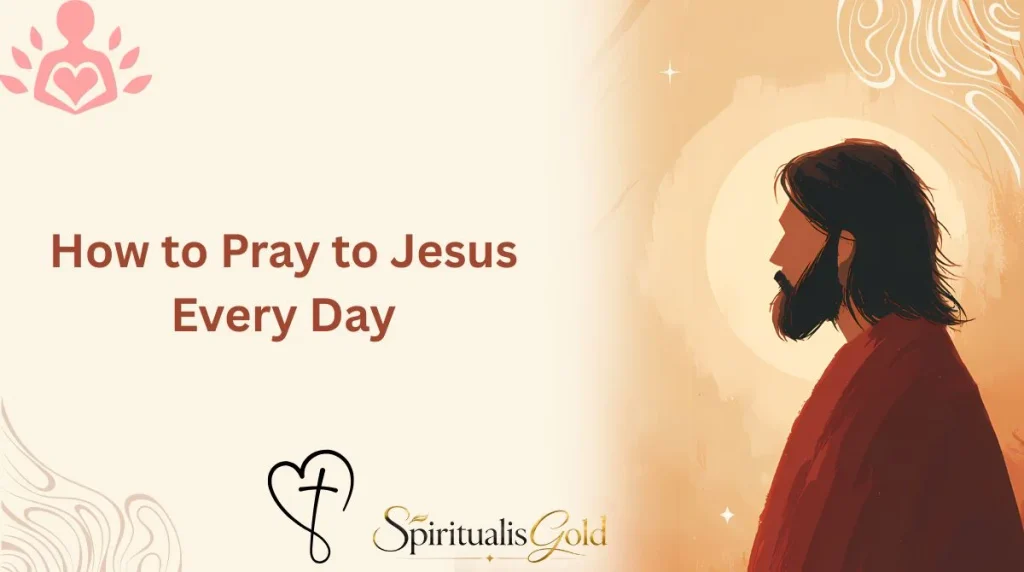
Praying to Jesus every day can become part of ordinary life rather than something reserved for a particular hour. You can speak to Him in the morning, during a difficult moment, while traveling, before making an important decision, or before going to sleep.
A morning prayer might express dependence on Him: “Jesus, guide me today. Help me speak with kindness, make wise choices, and remain faithful when situations become difficult.” During stressful moments, a shorter prayer may be enough: “Jesus, give me peace and help me trust You.”
Daily prayer can also include gratitude for what happened during the day. Before sleeping, you can reflect on where you experienced kindness, where you struggled, and where you need forgiveness or guidance.
Praying every day does not mean that every prayer must be lengthy. Even a few sincere words can redirect your attention toward Christ. Over time, regular prayer can become a natural rhythm that shapes how you approach both ordinary and difficult moments.
How to Pray According to Jesus
Jesus taught that prayer should come from a sincere heart rather than a desire to gain attention. In Matthew 6, He encouraged His followers to pray privately and warned against meaningless repetition. His teaching emphasizes genuine communication with God rather than trying to use impressive words.
The Lord’s Prayer provides a beautiful framework. It begins by honoring God’s name and recognizing His authority. It then expresses a desire for God’s kingdom and will, asks for daily needs, seeks forgiveness, and asks for protection from temptation and evil.
Jesus also emphasized forgiveness. When we pray, we should examine our own hearts rather than approaching God while deliberately holding onto resentment. His teachings repeatedly connect prayer with trust, humility, forgiveness, and obedience.
Most importantly, Jesus modeled a life of prayer. He withdrew to quiet places, prayed before important moments, gave thanks, and submitted Himself to the Father’s will. Following His example means allowing prayer to become more than words spoken during emergencies. It becomes a daily practice of trusting God, seeking His direction, and aligning our lives with His purposes.
People Also Search
how to pray examples
how to properly pray to god according to the bible
how to start a prayer examples
learning how to pray for beginners
10 ways to pray
learning how to pray for beginners pdf
how to pray to jesus everyday
how to pray according to jesus
Frequently Asked Questions
How to Pray: A Beginner’s Guide?
Prayer begins with sincerity, not perfection. Find a quiet place, speak to God honestly, express gratitude, share your needs, and leave space to listen. What matters most is a genuine heart seeking a deeper relationship with God.
What Are the 3 Basic Prayers?
Three simple forms of prayer are thanksgiving, confession, and petition. Thanksgiving expresses gratitude, confession seeks forgiveness, and petition brings your needs and hopes before God with humility and trust.
How to Pray: A Simple Guide?
Begin by becoming still and focusing your heart on God. Thank Him, confess what is troubling your conscience, ask for what you need, pray for others, and end with trust that God hears you.
What Is the First Thing You Say When You Start Praying?
There is no single phrase required to begin prayer. You can simply say, “God, I come before You with an open heart,” and then speak honestly, knowing that prayer is a conversation rooted in faith.
What Are Some Simple Prayers for Beginners?
Beginners can pray simple words such as, “God, thank You for this day. Please forgive me, guide my decisions, protect those I love, and help me become a better person.” A sincere prayer does not need complicated language.
How Do You Pray for God to Guide You?
Ask God for wisdom, clarity, patience, and the courage to follow what is right. A meaningful prayer for guidance also includes surrender—being willing to accept an answer that may differ from what you originally hoped for.
Final Thought
Prayer, at its most basic, is simply an act of reaching toward something larger than yourself with honesty instead of performance. You don’t need the right words, the right posture, or a flawless track record to start. You just need to show up as you are and say what’s true. If today is the day you want to begin, don’t wait for the version of yourself that feels fully ready. Start now, however small that first prayer is.

Riaz Ahmad is the author of SpiritualisGold.com, sharing meaningful spiritual lines, deep words, life lessons, and inspirational thoughts. With 6+ years of experience creating spiritual and reflective content, he aims to help readers find inner peace, wisdom, hope, and a deeper connection with life.