Last updated: November 12, 2026
You’ve probably tried sitting still and focusing on your breath before. Maybe it calmed you down for a few minutes, then your mind wandered right back to your to-do list. If that’s where you’ve been stuck, there’s a reason: regular meditation calms the mind, but spiritual meditation asks something different of you. It asks you to connect with something bigger than your own thoughts.
Here’s the direct answer. Spiritual meditation is the practice of quieting the mind not just to relax, but to connect with your inner self, a higher power, or the sense that you’re part of something larger than your daily life. It blends stillness with intention. You’re not just watching your thoughts pass by. You’re listening for something underneath them.
This article walks through what makes spiritual meditation different from standard mindfulness practice, the traditions it draws from, the real benefits people report, and a simple way to start tonight, even if you’ve never meditated in your life.
What Spiritual Meditation Actually Means
At its core, spiritual meditation is meditation with a purpose beyond stress relief. You still sit quietly. You still focus your attention. But the goal shifts from “calm my nervous system” to “connect with my deeper self, my faith, or the divine.”
Some people practice it through prayer. Others use a mantra, a sacred word, or simply silence. The method matters less than the intention behind it. You’re not meditating to check a box on a wellness app. You’re meditating to feel less alone in the universe, or closer to whatever you consider sacred.
This is a matter of personal belief and practice, not a scientifically defined state. But millions of people across different faiths and backgrounds describe the same basic experience: a sense of connection that regular relaxation techniques don’t quite reach.
How It’s Different From Regular Meditation
Mindfulness meditation, the kind taught in most apps and wellness programs, usually focuses on the present moment. You notice your breath. You notice a thought. You let it go. The aim is mental clarity and reduced stress.
Spiritual meditation builds on that foundation but adds a layer of meaning. A few key differences stand out:
- Intention. Mindfulness often aims at relaxation. Spiritual meditation aims at connection, insight, or communion with something greater.
- Content. Where mindfulness lets thoughts pass without judgment, spiritual meditation often invites specific focus: a prayer, a scripture verse, a mantra, or a question you’re sitting with.
- Outcome. People who practice spiritual meditation regularly often describe a sense of purpose or guidance, not just calm.
Neither approach is better than the other. A lot of people blend both, using mindfulness techniques to settle the mind before shifting into something more reflective and spiritual.
Why People Turn to Spiritual Meditation
Most people don’t start meditating spiritually because they read a study about it. They start because something in life pushed them there: grief, a major decision, a quiet dissatisfaction with how disconnected daily life can feel.
A lot of readers tell me the pull toward spiritual meditation shows up during a hard season, not an easy one. It’s less about chasing bliss and more about finding steadiness when everything else feels uncertain.
Common reasons people start include:
- Wanting a deeper sense of purpose than a busy schedule provides
- Processing grief or loss
- Feeling disconnected from a faith tradition and wanting to reconnect
- Searching for guidance before a big decision
- Simply craving quiet that feels meaningful, not just restful
Spiritual Meditation Traditions Worth Knowing
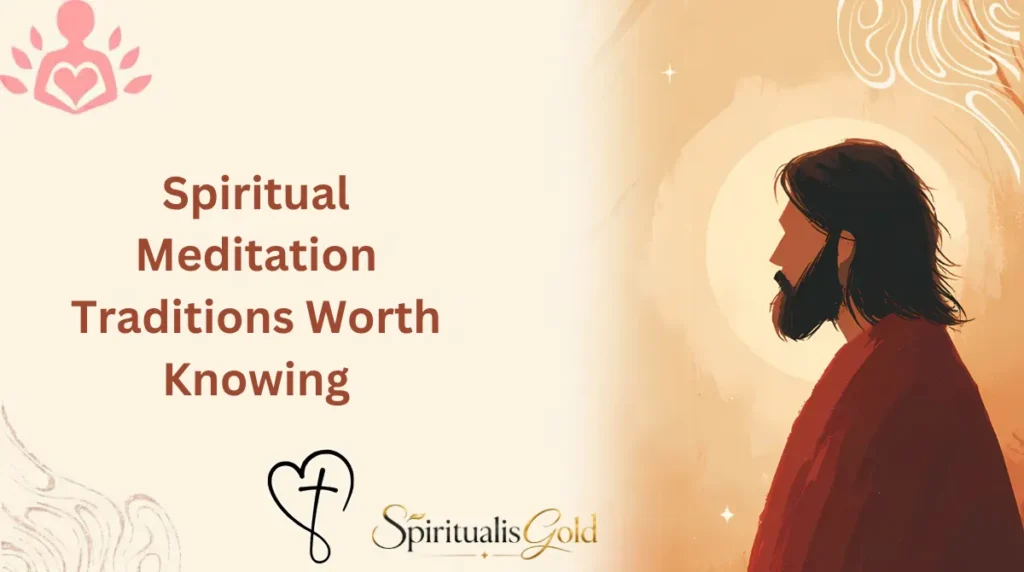
Spiritual meditation isn’t one single practice. It shows up across cultures and faiths, each with its own style and vocabulary.
Christian contemplative prayer often uses a breath prayer, a short phrase paired with inhaling and exhaling. On the inhale, something like “Be still.” On the exhale, “And know.” This style focuses attention on God without rushing through formal prayer.
Hindu and yogic traditions frequently use mantra meditation, repeating a sacred sound like “Om” to quiet mental chatter and center awareness on the self and the divine.
Buddhist meditation varies widely, but many forms aim at insight into the nature of suffering and the self, going beyond simple relaxation into a deeper examination of consciousness.
Chakra-based practice focuses on specific energy centers in the body, often paired with visualization, to clear blockages and restore balance.
Sufi meditation, part of the mystical branch of Islam, often uses rhythmic breathing or repeated phrases (dhikr) to draw the practitioner toward divine presence.
Indigenous and nature-based practices frequently ground spiritual reflection in the natural world, using silence outdoors or ritual as the doorway into connection.
You don’t need to pick a tradition to benefit from spiritual meditation. Plenty of people borrow elements from several and build something personal.
The Real Benefits of Spiritual Meditation
Spiritual meditation’s effects show up in layers: the mind, the body, and the sense of meaning in your life.
Mental and emotional benefits
- A steadier mind, with less reactivity to stress
- Greater self-awareness and clarity about what matters to you
- A sense of inner peace that doesn’t depend on outside circumstances
Physical benefits
- Lower stress levels, which can ease tension in the body
- Better sleep for people who meditate before bed
- Reduced symptoms of anxiety for some practitioners, especially with consistent practice
Spiritual benefits
- A felt sense of connection to something larger than yourself
- Greater clarity about your purpose or direction
- A quieter, more grounded relationship with your own faith or beliefs
None of this happens in one session. People who stick with spiritual meditation for months, not days, are the ones who describe real shifts. It works more like strength training for your inner life than a quick fix.
How to Practice Spiritual Meditation: A Simple Start
You don’t need candles, incense, or a perfect quiet room to begin. You just need a few minutes and a willingness to sit still.
- Find a quiet spot. It doesn’t need to be fancy. A chair, your bed, or a corner of the living room works fine.
- Set an intention. Before you close your eyes, decide what you’re seeking: peace, guidance, connection, or simply presence. Naming it focuses the practice.
- Settle your breath. Take a few slow breaths to calm your body before going deeper.
- Choose a focus point. This could be a short prayer, a mantra, a scripture verse, or simply the word “peace” repeated silently.
- Sit with whatever comes up. Thoughts will drift in. Don’t fight them. Gently return to your focus point each time your mind wanders.
- Close with gratitude. End the session by naming one thing you’re grateful for. This anchors the practice in your daily life.
- Carry it forward. The real test of spiritual meditation isn’t the ten minutes you spend sitting. It’s whether you carry a little more calm and clarity into the rest of your day.
Start with five to ten minutes. Consistency matters far more than length. A short daily practice beats an hour once a week.
Common Obstacles (and How to Work Through Them)
Almost everyone who starts spiritual meditation hits the same few walls.
“My mind won’t stop racing.” This is normal, not a sign you’re doing it wrong. The goal isn’t an empty mind. It’s noticing when your attention drifts and gently returning to your focus point.
“I don’t feel anything.” Connection doesn’t always announce itself. Some sessions feel flat. Keep showing up anyway. The benefits build slowly, often outside of the sessions themselves.
“I’m not religious. Can I still do this?” Yes. Spiritual meditation doesn’t require belief in a specific god or doctrine. You can practice it as a way of connecting with your own inner wisdom or simply the mystery of being alive.
“I don’t have time.” Five minutes before bed or right after waking up is enough to start. Protect that small window the same way you’d protect any habit you actually care about.
Is Spiritual Meditation Religious?
It can be, but it doesn’t have to be. Many people practice spiritual meditation inside a specific faith tradition, using prayer or scripture as the anchor. Others practice it in a non-religious way, focused on inner connection, nature, or a general sense of the sacred in everyday life.
Think of “spiritual” here as a broader category than “religious.” Religious meditation is spiritual, but spiritual meditation doesn’t require religion. It simply requires openness to something beyond pure relaxation.
Spiritual Meditation With God
Spiritual meditation with God is a meaningful practice that allows a person to slow down, quiet their thoughts, and develop a deeper connection with the Creator. Unlike meditation that focuses only on relaxation, Christian spiritual meditation encourages believers to turn their attention toward God’s presence, reflect on His Word, and listen for His guidance through prayer and silence. It creates a peaceful opportunity to step away from everyday distractions and focus on what truly matters.
Spending time with God through meditation does not require a special location or complicated routine. A person can practice it in a quiet room, outdoors, or even during a peaceful moment before beginning the day. The most important thing is to approach the experience with a sincere heart and a willingness to grow spiritually.
Psalm 46:10 says, “Be still, and know that I am God.” This verse beautifully expresses the purpose of spiritual meditation. It reminds believers that sometimes they need to become quiet to recognize God’s greatness and reflect on His promises. Instead of allowing worries and responsibilities to control their minds, they can use meditation to remember that God remains present through every season of life.
Spiritual meditation with God can include reading Scripture slowly, repeating meaningful Bible verses, expressing gratitude, and spending time in prayer. It is not about forcing the mind to become completely empty but about directing thoughts toward God’s truth and love.
For Christians, this practice can become an important part of daily spiritual life. It encourages patience, strengthens faith, and provides an opportunity to develop a more personal relationship with Jesus. With regular practice, even a few quiet minutes can become a valuable time of reflection and spiritual renewal.
Types of Spiritual Meditation
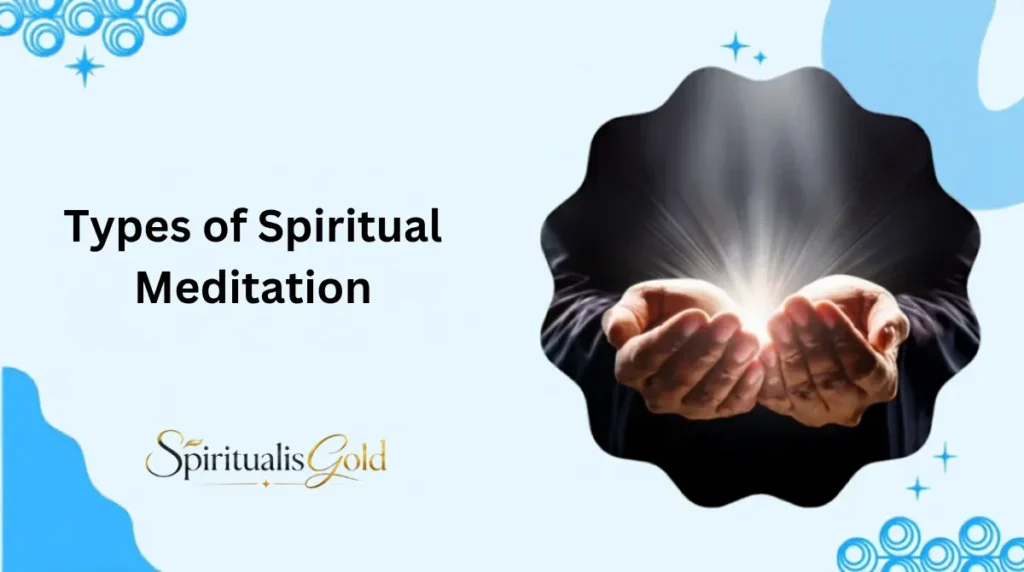
Spiritual meditation comes in different forms, and each approach offers a unique way to explore faith, inner peace, and personal growth. Some methods focus on prayer and Scripture, while others encourage mindfulness, gratitude, or quiet reflection. Choosing a suitable practice depends on personal beliefs, spiritual goals, and individual comfort.
Christian meditation: This approach focuses on God’s Word, biblical teachings, and the life of Jesus Christ. Believers may read a Bible passage, reflect on its meaning, and consider how to apply its message to everyday situations.
Prayer meditation: Prayer meditation combines quiet reflection with communication with God. Rather than rushing through a list of requests, a person takes time to express gratitude, share concerns, and reflect on God’s love.
Mindfulness meditation: This practice involves paying attention to the present moment without immediately reacting to every thought. It can help people become more aware of their feelings, surroundings, and daily experiences.
Gratitude meditation: Gratitude meditation encourages individuals to reflect on the blessings in their lives. It may involve appreciating family, health, meaningful relationships, nature, or the simple opportunities that each day brings.
Breath-focused meditation: This method uses gentle attention to breathing to encourage calmness and awareness. Some Christians combine it with silent prayer or a short biblical phrase that reminds them of God’s presence.
Contemplative meditation: This form emphasizes silence, reflection, and a deeper awareness of spiritual truths. It encourages believers to spend time thinking about God’s character, mercy, wisdom, and love.
Every type of spiritual meditation offers a different experience. People should choose a method that respects their beliefs and supports their desire for a healthier, more meaningful spiritual life.
Spiritual Meditation Benefits
Spiritual meditation offers several benefits for emotional well-being, personal development, and spiritual growth. By creating regular moments of quiet reflection, individuals can become more aware of their thoughts, understand their emotions, and develop a stronger sense of purpose. Although meditation does not solve every problem, it can provide a helpful way to respond to life’s challenges with greater patience and clarity.
One important benefit is a deeper connection with faith. When Christians spend time reflecting on Scripture and praying, they create space to understand God’s teachings more meaningfully. This regular practice can encourage trust, gratitude, and a stronger commitment to living according to biblical principles.
Another benefit is emotional calmness. Everyday responsibilities, family concerns, and personal difficulties can make the mind feel overwhelmed. Taking a few minutes to meditate may help reduce stress and encourage a calmer response to difficult situations.
Spiritual meditation can also improve self-awareness. It gives individuals an opportunity to recognize negative thought patterns, reflect on their behavior, and consider areas where personal growth is needed. This awareness can encourage humility, forgiveness, and healthier relationships.
Other potential benefits include:
- Greater patience: Regular reflection can encourage people to pause before reacting emotionally.
- Improved concentration: Quiet meditation may help develop better attention and mental focus.
- A positive outlook: Gratitude practices encourage people to recognize meaningful experiences and blessings.
- Stronger spiritual discipline: Making time for prayer and meditation can create a more consistent faith routine.
- Better emotional understanding: Reflection can help individuals recognize and process their feelings.
- A greater sense of purpose: Spiritual meditation encourages people to consider their values and the direction of their lives.
The benefits may develop gradually rather than appearing immediately. Consistency, realistic expectations, and a sincere approach are more important than trying to achieve a perfect meditation experience.
Spiritual Meditation Music
Spiritual meditation music can create a peaceful atmosphere that makes it easier to relax, reflect, and focus during meditation. Many people prefer gentle instrumental sounds, soft piano melodies, nature sounds, or quiet worship music when spending time in prayer. These sounds can help reduce environmental distractions and make a meditation session feel more comfortable.
For Christians, worship music and instrumental hymns can be meaningful choices. Listening to peaceful arrangements of familiar spiritual songs may encourage reflection on God’s love, forgiveness, and promises. Some people also enjoy soft instrumental versions of traditional hymns because they allow them to concentrate without focusing on lyrics.
Nature sounds are another popular option. Gentle rainfall, flowing water, birds singing, and soft wind can create a relaxing environment. These natural sounds may help individuals feel more present and appreciate the beauty of God’s creation.
However, spiritual meditation does not always require music. Silence can be equally meaningful, especially when someone wants to read Scripture, pray, or reflect deeply. Music should support the experience rather than become the main focus.
When choosing meditation music, select sounds that make you feel comfortable and peaceful. Keep the volume low, avoid distracting songs, and allow yourself to focus on prayer, gratitude, or meaningful spiritual thoughts.
How to Do Spiritual Meditation
Learning how to do spiritual meditation does not require advanced knowledge or special equipment. Anyone can begin with a simple routine that creates time for prayer, reflection, and spiritual awareness. The goal is not to achieve perfection but to develop a consistent habit that supports personal growth and a closer relationship with God.
Start by finding a quiet and comfortable place where you can spend a few minutes without unnecessary interruptions. Sit comfortably, relax your shoulders, and allow your breathing to become natural. You do not need to force yourself into a particular position.
Next, choose a spiritual focus. Christians may select a Bible verse, a passage from the Psalms, or a teaching of Jesus. Read the passage slowly and think about what it means. Consider how its message connects with your current experiences and decisions.
After reading, spend some time in prayer. Thank God for His blessings, ask for wisdom, and share anything that may be troubling your heart. You can also sit quietly and reflect on the message you have just read.
If distracting thoughts appear, do not become frustrated. Gently return your attention to your chosen verse, prayer, or breathing. It is normal for the mind to wander, especially when you are developing a new habit.
Finish your meditation by thinking about one positive action you can take during the day. It might be forgiving someone, showing kindness, helping a person in need, or responding to a difficult situation with patience.
Beginners can start with five to ten minutes daily and gradually increase the time if they feel comfortable. What matters most is approaching meditation with sincerity and making it a meaningful part of everyday life.
Spiritual Meditation App
A spiritual meditation app can make it easier to develop a regular meditation routine, especially for people who struggle to find guidance or structure on their own. These apps often provide guided sessions, prayer recordings, Bible reflections, relaxing sounds, and reminders that encourage users to spend time focusing on their spiritual well-being.
For Christians, some useful options include Hallow, which offers guided prayer and meditation experiences, and Abide, which focuses on biblical meditation, prayer, and peaceful sleep content. YouVersion Bible App is another helpful resource for people who want to combine Scripture reading with daily reflection and devotional plans.
When choosing an app, consider what kind of spiritual experience you want. Some people prefer guided Christian prayer, while others want quiet instrumental music, mindfulness exercises, or daily Bible readings. Look for an app with content that respects your beliefs and supports your personal goals.
It is also worth checking whether the app offers free content, requires a subscription, or collects personal information. An app can provide helpful guidance, but it should not replace personal prayer, Scripture study, or meaningful relationships with other believers.
Spiritual Meditation on YouTube
YouTube provides a convenient way to explore spiritual meditation through guided videos, worship music, Scripture readings, and peaceful nature sounds. People who are new to meditation can find beginner-friendly sessions that explain how to relax, focus their thoughts, and spend meaningful time in reflection.
Christians can search for guided Christian meditation, Bible meditation for beginners, morning prayer meditation, Psalms meditation, or peaceful worship instrumentals. These searches can lead to videos that help viewers reflect on God’s promises and develop a more consistent prayer routine.
Some videos focus on specific spiritual needs, such as finding peace during difficult times, overcoming fear, practicing gratitude, or beginning the day with prayer. Listening to Scripture-based reflections can also help believers understand biblical messages in a calm and thoughtful way.
However, it is important to choose videos carefully. Not every meditation video follows Christian beliefs, and some may combine spiritual ideas from different traditions. If your goal is to strengthen your relationship with Jesus, choose content that reflects biblical teachings and encourages a healthy understanding of faith.
YouTube can be a helpful resource, but remember that spiritual growth does not depend on watching videos every day. The most meaningful part of meditation is the personal time you spend reflecting, praying, and applying what you learn.
Spiritual Meditation Classes
Spiritual meditation classes provide structured guidance for people who want to develop their meditation skills and explore their spiritual lives more deeply. These classes may be offered through churches, spiritual organizations, wellness centers, community groups, or online learning platforms.
Christian meditation classes often focus on prayer, biblical reflection, contemplative practices, and understanding the presence of God. Participants may learn how to meditate on Scripture, create a peaceful prayer routine, and develop a deeper understanding of Christian spiritual traditions.
Some classes also include group discussions, guided meditation sessions, and opportunities to share personal experiences. Learning alongside others can provide encouragement and help beginners feel more confident about practicing meditation.
Online classes are particularly convenient for people who cannot attend in-person sessions. They allow participants to learn from home and follow guided lessons according to their schedules. However, it is important to check the instructor’s background and the spiritual teachings included in the course before enrolling.
When selecting a class, consider whether its approach matches your beliefs and personal goals. If you are interested in Christian meditation, look for instruction rooted in Scripture, prayer, and the teachings of Jesus.
Ultimately, spiritual meditation classes can provide useful knowledge and encouragement, but the real value comes from putting what you learn into practice. Developing a peaceful daily routine, spending time with God, and applying spiritual lessons to everyday life can make meditation a lasting part of your journey.
People Also Search
spiritual meditation with god
types of spiritual meditation
spiritual meditation app
spiritual meditation benefits
spiritual meditation music
how to do spiritual meditation
spiritual meditation – youtube
spiritual meditation classes
Frequently Asked Questions
How Do You Do Spiritual Meditation?
Spiritual meditation begins by finding a quiet place where you can sit comfortably and turn your attention inward. Close your eyes, breathe slowly, and focus on your connection with God, your inner self, or a deeper sense of purpose. Allow your thoughts to settle naturally without judging them.
What Is the 5-7-5 Rule in Spirituality?
The 5-7-5 rule is sometimes used as a personal mindfulness practice involving five minutes of quiet reflection, seven minutes of focused meditation, and five minutes of gratitude or prayer. It can help create a simple daily spiritual routine, although it is not a universally recognized spiritual principle.
What Does It Mean to Spiritually Meditate?
Spiritual meditation means looking beyond everyday thoughts and distractions to develop a deeper connection with your inner self, faith, or higher purpose. It encourages self-awareness, inner peace, gratitude, and a clearer understanding of life’s deeper meaning.
What Are the 7 Stages of Spiritual Awakening?
The seven stages of spiritual awakening are commonly described as spiritual questioning, self-discovery, inner cleansing, increased awareness, surrender, spiritual growth, and inner peace. These stages represent a gradual journey of understanding yourself, releasing old beliefs, and developing a deeper connection with life.
What Happens After 40 Days of Meditation?
After 40 days of consistent meditation, some people notice improved concentration, greater emotional awareness, reduced stress, and a stronger sense of inner calm. However, experiences differ from person to person, and meaningful spiritual growth depends more on consistency and intention than on reaching a particular number of days.
What Is the Most Powerful Meditation Technique?
There is no single meditation technique that is most powerful for everyone. Mindfulness meditation, loving-kindness meditation, and focused breathing can all support personal growth, while prayerful meditation may help people deepen their connection with God. The most effective approach is one that feels meaningful and encourages consistent practice.
Final Thought
Stillness is where spiritual meditation actually does its work, not in some dramatic breakthrough moment, but in the quiet repetition of showing up day after day. You don’t need the perfect setup or years of practice to start tonight. Sit down, take a few breaths, and give your attention to something bigger than your to-do list for just five minutes. That’s the whole practice, and it’s enough to begin.

Riaz Ahmad is the author of SpiritualisGold.com, sharing meaningful spiritual lines, deep words, life lessons, and inspirational thoughts. With 6+ years of experience creating spiritual and reflective content, he aims to help readers find inner peace, wisdom, hope, and a deeper connection with life.