Last updated: October 6, 2026
The gift of the Spirit is a special ability that the Holy Spirit gives to believers so they can build up others. In Christian teaching, these gifts are not rewards for good behavior. They are tools for serving the church and the people around you. The phrase comes from Acts 2:38, and Paul’s letters name many specific gifts, including teaching, serving, wisdom, and encouragement.
If you searched this phrase, you probably want two things: a clear definition and a way to tell whether you have one. This guide covers both. It also explains a mix-up that trips up many readers, the difference between spiritual gifts and the fruit of the Spirit.
Quick Answer: What the Gift of the Spirit Means
A spiritual gift is an ability that God provides through the Holy Spirit, meant for the good of others. Scripture presents these gifts as shared across the whole church, with each person carrying something useful for the rest. A gift usually points to a specific capacity, such as explaining truth clearly, praying with unusual faith, or showing mercy to someone in pain.
Where the Phrase Comes From
Acts 2:38 and the Promise of the Spirit
In Acts 2, Peter speaks to a crowd in Jerusalem after the Holy Spirit comes upon the believers at Pentecost. He tells the listeners to repent and be baptized. Then he promises that they will receive the gift of the Holy Spirit. He adds that the promise reaches their children and everyone who is far away.
This matters because it links the gift to the Spirit’s presence in a person’s life. The gift is not a talent you manufacture. It comes from the same Spirit who lives within believers.
Paul’s Lists in 1 Corinthians 12 and Romans 12
Paul writes about spiritual gifts most fully in 1 Corinthians 12 through 14, and he returns to the subject in Romans 12. In 1 Corinthians, he uses the Greek word charismata, which connects to grace and generosity. He insists the gifts are varied, but they come from one Spirit. Romans 12 offers a shorter list and stresses humble service, sincere love, and steady hope.
Gift, Talent, and Calling: Three Ideas People Mix Up
These three words overlap, so it helps to separate them. A talent is a natural ability, like a good ear for music or an easy way with numbers. Anyone can have a talent, whether or not they know God. A calling is a sense of direction, the work or path you feel drawn to over time.
A spiritual gift is different. It is an ability that the Spirit empowers for service to others, and it is meant to strengthen the church. A teacher might have a natural gift for explaining things, a calling to teach, and a spiritual gift of teaching all at once. Often they blend. The difference shows up in purpose and source. Talent serves your own strengths, while a spiritual gift serves other people in the power of God.
Gifts Versus Fruit: A Common Mix-Up
Many people blend spiritual gifts with the fruit of the Spirit, so it is worth separating them. Spiritual gifts are abilities for service. The fruit of the Spirit describes character. Galatians 5:22 to 23 lists love, joy, peace, patience, kindness, goodness, faithfulness, gentleness, and self-control.
A simple way to remember it: gifts show what you can do for others, and fruit shows who you are becoming. Someone can have a strong gift of teaching and still struggle with patience. Growth in fruit keeps gifts from turning into pride. Character holds the gift steady.
The Main Gifts Named in Scripture
Scripture names more gifts than most people expect. Here are the most common ones, grouped by the passage where they appear.
- Teaching explains truth clearly so others grow in understanding (Romans 12:7).
- Serving meets practical needs quietly, often behind the scenes (Romans 12:7).
- Encouragement lifts up people who feel discouraged or stuck (Romans 12:8).
- Mercy notices suffering and responds with compassion (Romans 12:8).
- Generous giving shares resources freely and without fuss (Romans 12:8).
- Leadership guides a group toward shared goals with care (Romans 12:8).
- Word of wisdom applies God’s truth to a specific situation (1 Corinthians 12:8).
- Word of knowledge brings insight into a matter beyond what a person could know naturally (1 Corinthians 12:8).
- Faith trusts God deeply in a moment when others hesitate (1 Corinthians 12:9).
- Healing prays for physical or emotional restoration (1 Corinthians 12:9).
- Prophecy speaks God’s message to build up and comfort (1 Corinthians 12:10).
- Discernment recognizes what is true and what is not (1 Corinthians 12:10).
Not every believer will hold all of these, and nobody is expected to. Paul makes that point in 1 Corinthians 12, where he compares the church to one body with many parts. An eye cannot do the work of a hand, and both are needed.
What Gifts Look Like in Ordinary Weeks

Most gifts do not show up as dramatic moments. They appear in regular routines, and they often go unnoticed by the person who has them. Here are three examples of how this might look.
A night-shift nurse may find that patients open up to her easily. She notices fear in a quiet room and stays a few extra minutes. That pattern could point to a gift of mercy or encouragement.
A retired mechanic in a small church may fix the sound system, fix the fellowship hall door, and fix the rides for older members. He never asks for credit. His steady help could reflect the gift of serving.
A teenager in a youth group may explain a Bible passage to a friend who is confused. Her classmates start asking her questions. Her clarity may show a gift of teaching at an early age.
These examples are illustrations, not a formula. The point is that gifts tend to show up through what you do repeatedly, not through one big moment.
How to Recognize Your Gift
Many people wait for a dramatic sign before they think they have a gift. In practice, gifts usually show up in patterns. Three clues tend to help most.
Notice What Draws You Toward Others
Think about the moments when you naturally step in. Maybe you sit with a friend in crisis, organize a meal schedule, or explain a hard idea until it clicks. Those moments often point to the gift underneath. Pay attention to where you lean in without being asked.
Notice Where Serving Gives Energy
Some service drains people. Other service leaves them more alive afterward. When you finish a task for others and feel steady or even joyful, take note. Gifts often produce that sense of fit. Obligation tends to produce exhaustion, though some seasons of service are tiring even when the gift is real.
Check It Against the Church
Your gift needs confirmation from others who know you well. Ask a mentor, pastor, or trusted friend what they see in you. When several people point to the same strength, that agreement matters more than a single feeling. Outside eyes often catch what you have stopped noticing in yourself.
Watch for Warning Signs
Spiritual gifts can get tangled up with ego. If your service always depends on applause, or if you feel hurt when nobody thanks you, pause and ask what is happening inside you. A healthy gift serves people, even when no one sees it. Scripture warns against serving for recognition, and it encourages quiet faithfulness. Bring those reactions to God honestly, and ask for a clean motive.
A Two-Week Practice for Finding Your Gift
This simple plan works well for people who feel unsure. It takes about ten minutes a day.
- Pick one act of service each day. Keep it small, such as writing an encouraging note, cooking a simple meal, or helping someone with a chore.
- Journal after each act. Record what you did, how you felt, and whether it felt easy or forced.
- Pray before you serve. Ask the Spirit to guide your attention toward someone who needs help that day.
- Look for patterns by day seven. Circle any type of service that repeatedly brings you energy and a sense of purpose.
- Ask two people for feedback. Share what you noticed and ask what they have seen in you.
- Try a bigger step by day fourteen. Volunteer for a role that fits your strongest pattern, then reflect again afterward.
Most people find that the pattern becomes clearer by the end of the second week. It may not feel perfect, but it usually points somewhere useful.
Do All Gifts Still Work Today?
Christians disagree on this question. Some believe all the gifts in 1 Corinthians 12 continue today, including healing and tongues. Others, known as cessationists, believe that some miraculous gifts ended with the apostolic age. Many churches sit somewhere between those views.
Whichever view you hold, the core call stays the same. Use what you have to serve others in love. Scripture places the gifts within the church community, so your gift is best tested and used in fellowship with other believers.
What Is My Spiritual Gift Quiz
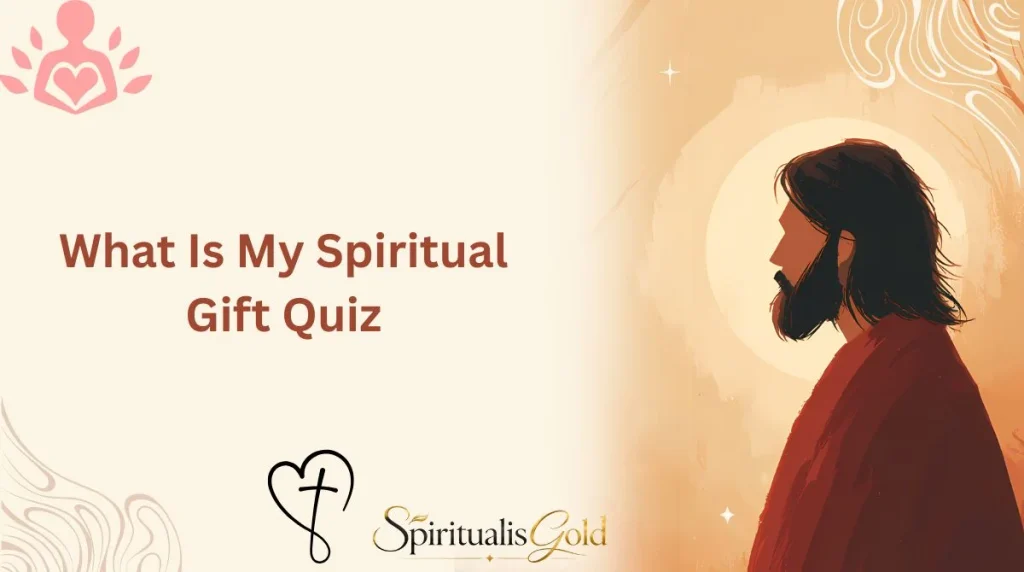
A spiritual gift quiz can be a helpful starting point for understanding how God may have equipped you to serve others. Such a quiz usually asks about your interests, strengths, experiences, compassion, and the ways you naturally respond to people and situations. Your answers may point toward gifts such as teaching, encouragement, leadership, mercy, wisdom, faith, service, or discernment.
However, a quiz should not be treated as a final definition of your spiritual identity. Spiritual gifts are more than personality traits or natural talents. A person may discover a strong desire to encourage others, for example, but the deeper question is whether that encouragement consistently helps people grow in faith and hope.
The most meaningful quiz results are considered alongside prayer, Scripture, personal experience, and feedback from mature believers. Sometimes other people recognize a gift in us before we recognize it ourselves. A quiz can open the door to reflection, but discovering a spiritual gift is often a gradual journey of serving, learning, and becoming more attentive to God’s direction.
How to Identify Your Spiritual Gifts Bible Verse
The Bible provides several important passages for understanding spiritual gifts. One of the clearest places to begin is 1 Corinthians 12, where Paul explains that believers receive different gifts but that these gifts come from the same Spirit. Romans 12 and Ephesians 4 also describe different forms of service and ministry within the body of Christ.
These passages remind us that spiritual gifts are not given simply for personal recognition. They are intended to strengthen the community, serve others, and contribute to God’s work. First Peter 4:10 encourages believers to use whatever gift they have received to serve others faithfully.
Scripture therefore gives us a useful framework for identifying our gifts. We can read these passages carefully, pray about what stands out, and examine how our abilities are being used in real life. Rather than asking only, “What am I good at?” a deeper question is, “How can God use what He has placed in me to help others?”
How to Know Your Spiritual Gifts From God
Knowing your spiritual gifts from God usually takes time rather than happening through one sudden experience. Prayer is an important part of the process because it allows you to bring your questions, desires, and uncertainties before God. Ask for wisdom and remain open to discovering a calling that may look different from what you originally expected.
Pay attention to the situations in which you feel drawn to help others. Perhaps people regularly come to you for advice, comfort, prayer, teaching, or practical assistance. You may notice that certain forms of service bring a deep sense of purpose while also producing positive results in the lives of other people.
It is also important to look beyond personal feelings. A genuine spiritual gift often becomes visible through its fruit. If your encouragement consistently strengthens discouraged people, your teaching helps others understand Scripture, or your acts of mercy bring comfort to those who are suffering, these experiences may provide meaningful clues.
God can work through both obvious and quiet gifts. Not every gift receives public attention. A person who faithfully serves behind the scenes may be just as valuable to the Christian community as someone who teaches before a large audience.
How to Identify Your Spiritual Gifts PDF
A spiritual gifts PDF can be useful when you want a structured way to explore your strengths and possible areas of service. A good worksheet may include Scripture references, reflection questions, gift descriptions, prayer prompts, and space for recording observations.
When using a PDF or printable resource, avoid treating the final result as a permanent label. Your spiritual life develops over time, and your understanding of your gifts can become clearer as you gain experience. The purpose of a worksheet is to encourage thoughtful reflection rather than place you into a fixed category.
You can make the process more meaningful by writing down moments when you felt especially useful to someone else. Record situations where your words, actions, or abilities made a positive difference. Later, compare these experiences with the spiritual gifts described in Scripture.
Keeping these observations together can reveal patterns that are difficult to notice when you think about each experience separately. Over time, your notes may help you recognize areas where your faith, compassion, wisdom, service, or leadership repeatedly becomes useful to others.
What Are the 7 Spiritual Gifts
The phrase “seven spiritual gifts” is sometimes used to describe the gifts mentioned in Romans 12:6–8: prophecy, service, teaching, exhortation or encouragement, giving, leadership, and mercy. These gifts describe different ways believers can contribute to the life and spiritual growth of others.
Prophecy can involve communicating a message that applies God’s truth to a particular situation. Service focuses on meeting practical needs. Teaching helps others understand and apply biblical truth, while encouragement strengthens people through hope, counsel, and motivation.
Giving reflects a generous willingness to share resources. Leadership involves guiding people responsibly toward a meaningful purpose, and mercy involves responding to suffering with compassion and practical care.
These seven gifts should not be viewed as a ranking system. One gift is not spiritually superior to another. The biblical emphasis is on faithful service and using what God has given for the benefit of others.
Spiritual Gifts Test 80 Questions

An 80-question spiritual gifts test can provide a more detailed opportunity for self-reflection than a short quiz. Longer assessments may ask about repeated behaviors, preferences, experiences, and reactions to different ministry situations. The purpose is generally to identify patterns rather than determine a person’s spiritual worth.
When answering a lengthy test, honesty is more important than choosing answers that sound especially spiritual. If a question asks whether you enjoy teaching, leading, helping, giving, or comforting people, answer according to your genuine experience rather than what you think you should say.
It is also helpful to remember that test results are indicators, not absolute conclusions. A high score in a particular area may suggest that you should explore that gift further, but practical experience and wise feedback are still important.
The strongest approach is to combine the test with Scripture, prayer, service, and conversations with trusted Christian leaders. When several sources point toward the same gift, you may have stronger evidence that this is an area worth developing.
Discovering Your Spiritual Gifts Worksheet
A spiritual gifts worksheet can turn an abstract question into a practical process of discovery. Instead of simply selecting a gift from a list, you can reflect on your experiences, strengths, spiritual interests, and the needs you naturally notice around you.
One useful approach is to write down situations where you helped someone and describe exactly what you did. Did you listen patiently? Explain something clearly? Organize people? Give practical assistance? Pray with someone? Offer financial support? Encourage a person who had lost hope?
You can also ask trusted people for honest observations. Sometimes a friend, pastor, mentor, or fellow believer can identify strengths that you overlook because they feel ordinary to you. What feels natural to you may actually be an important way God has equipped you.
The worksheet becomes most valuable when it leads to action. Once you notice a possible gift, look for a healthy opportunity to use it. Serving others allows you to discover whether the gift produces meaningful spiritual fruit.
Free Spiritual Gift Test for Adults
A free spiritual gift test for adults can be an accessible way to begin exploring Christian service without needing expensive resources. Many people find these assessments helpful because they provide language for abilities they have experienced but never clearly identified.
Adults should approach the results with maturity and humility. A spiritual gift is not necessarily the same thing as a career skill, personal preference, or natural talent. Someone may be naturally organized, for example, but spiritual leadership involves more than organization; it includes responsibility, wisdom, service, and concern for the people being led.
A free test can therefore be viewed as a conversation starter between your experiences and your faith. After completing it, take time to pray about the results and compare them with biblical teaching. Ask yourself where you have seen these abilities produce genuine benefit for others.
Ultimately, discovering a spiritual gift is not about finding an impressive title. It is about understanding how you can faithfully serve God and people. Your gift may be visible or quiet, public or private, but its value comes from love, faithfulness, and the way it contributes to the good of others.
People Also Search
what is my spiritual gift quiz
how to identify your spiritual gifts bible verse
how to know your spiritual gifts from god
how to identify your spiritual gifts pdf
what are the 7 spiritual gifts
spiritual gifts test 80 questions
discovering your spiritual gifts worksheet
free spiritual gift test for adults
Frequently Asked Questions
How do you recognize your spiritual gifts?
You often recognize spiritual gifts through the ways you naturally serve, encourage, guide, teach, or understand others. A genuine gift usually becomes clearer when your abilities consistently bring wisdom, comfort, growth, or positive spiritual impact to those around you.
What are 7 signs that I might be spiritually gifted?
Seven possible signs include strong intuition, deep compassion, spiritual discernment, meaningful dreams, a natural ability to encourage others, sensitivity to spiritual matters, and a strong desire to serve. These signs should be reflected on thoughtfully rather than treated as proof of a supernatural ability.
What are the 7 spiritual gifts explained?
The seven traditional gifts of the Spirit are wisdom, understanding, counsel, fortitude, knowledge, piety, and fear of the Lord. They describe different ways a person may grow in faith, recognize truth, make wise choices, remain courageous, and develop a deeper relationship with God.
What is the meaning of gift of the spirit?
A gift of the Spirit is understood as a special grace or ability given by God for spiritual growth and service. Its purpose is not simply personal recognition, but to help a person live faithfully and contribute something meaningful to the lives of others.
What are five disturbing signs that someone might be spiritually gifted?
Some people may experience unusually strong intuition, intense spiritual sensitivity, vivid dreams, profound emotional awareness, or a persistent sense of purpose. However, experiences that feel frightening or disruptive should not automatically be interpreted as spiritual gifts and may deserve careful reflection and appropriate support.
What is the most powerful gift from God?
Many Christian teachings regard love as the greatest gift because it transforms how a person relates to God and other people. Spiritual abilities may differ from one person to another, but love gives those gifts their deepest purpose and meaning.
Final thought
Every gift in Scripture points back to one source: the Spirit who gives it. Pick one small act of service this week and notice how it feels. Your gift often shows up in the moments when you forget to hold back. Pay attention to those moments, and thank God for them.

Riaz Ahmad is the author of SpiritualisGold.com, sharing meaningful spiritual lines, deep words, life lessons, and inspirational thoughts. With 6+ years of experience creating spiritual and reflective content, he aims to help readers find inner peace, wisdom, hope, and a deeper connection with life.